Program & Curriculum
A Modern Classical Program
Bastiat Academy blends the clarity of a classical education with the flexibility of modern tools. The backbone of our academic work is the Khan Academy curriculum, providing world-class materials in:
- Mathematics (from early numeracy to algebra and beyond)
- Sciences (physics, chemistry, biology)
- Computing and digital skills
On top of this, we layer guided seminars, curated readings, and projects in three core dimensions:
1. Economics & Human Action
- Introduction to Austrian economics and the role of prices and entrepreneurship
- Readings and discussions on free trade, spontaneous order, and the limits of planning
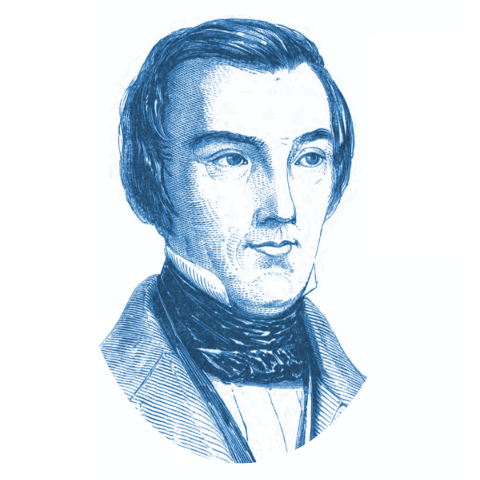
- Age-appropriate engagement with Frédéric Bastiat’s essays (especially What is Seen and What is Not Seen)
2. Christian Faith & Moral Imagination
- Daily moments of Scripture reading, prayer, and reflection
- Study of Christian virtues: prudence, justice, fortitude, temperance, faith, hope, and charity
- Exploration of vocation – how gifts and talents can serve God and neighbor
3. Society, Politics & Institutions
- Foundations of civics and political philosophy
- Historical case studies on freedom, responsibility, and the rule of law
- Gentle but honest engagement with ideologies such as protectionism, socialism, and collectivism
Technology & Creative Labs
Students participate in hands-on labs where theory meets practice:
- Programming – visual coding for younger students, then Python/JavaScript as they advance
- Robotics – building and programming simple robots and automation projects
- Digital art & design – drawing tablets, vector graphics, and basic UI thinking
- AI literacy – understanding how AI tools work, and how to use them wisely and ethically
Projects focus on making real things: simple games, data visualizations, interactive stories, and prototypes.
Grade Bands
- Foundations (K1–3) – joyful literacy, numeracy, stories, and play-based exploration of the world
- Intermediate (4–6) – solidifying core skills, first steps in logic, coding, and scientific experiments
- Logic & Discovery (7–8) – formal reasoning, pre-algebra/algebra, more structured projects and debates
- Early High School (9–10) – deeper readings in economics, political thought, theology, and advanced STEM
In all stages, students are treated as persons with agency: they are invited to ask questions, examine assumptions, and take responsibility for their learning.